 Jantize
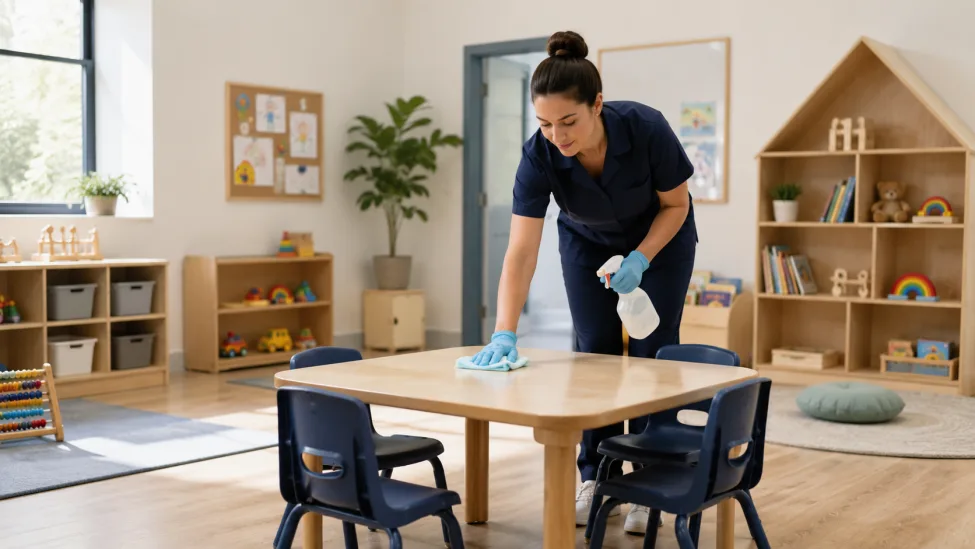
Schools and daycare centers are some of the busiest, most demanding facilities a cleaning company will ever maintain. Children interact closely with their environment in ways that adults simply don’t — touching shared surfaces constantly, spending time on floors, and passing germs between each other at a rate that makes consistent cleaning less of a preference and more of a necessity.
For Charlotte schools and daycare centers looking for a dependable cleaning partner, here’s what professional educational facility cleaning actually involves and why it matters.
Why Cleaning Standards Are Higher in Educational Settings
The math is straightforward: more children, more shared surfaces, more germ transmission. Classrooms, hallways, restrooms, cafeterias, and play areas are used heavily throughout the day by kids and staff who are in close contact with each other and everything around them.
Young children are particularly vulnerable to illness, and the nature of how they interact with their environment — touching everything, putting things in their mouths, sitting on floors — means that cleaning gaps have real consequences. Consistent, thorough cleaning helps reduce the spread of bacteria and viruses while supporting a healthier atmosphere for everyone in the building.
There’s also a trust factor that matters to parents and caregivers. A well-maintained facility signals that leadership takes the health and safety of children seriously. That perception is formed quickly and is hard to change once it’s been damaged.
The Range of Facilities That Need Professional Cleaning
Educational facilities across Charlotte vary significantly in size, age group, and function. Public and private schools may include classrooms, administrative offices, cafeterias, gymnasiums, and libraries — each with different cleaning requirements and traffic patterns.
Daycare centers and early childhood education facilities typically include classrooms, nap areas, restrooms, and indoor play spaces that need frequent attention throughout the day. After-school programs and learning centers often operate on extended schedules, which means cleaning plans need to be flexible enough to work around varying hours and usage. Like church facilities, educational spaces pack a wide variety of rooms and functions under one roof — and each one has its own cleaning requirements.
Every facility is different, and a good cleaning plan reflects how the space is actually used rather than applying a one-size-fits-all approach.
Where the Focus Needs to Be
Professional cleaning programs for schools and daycares are built around high-touch and high-traffic areas because that’s where the risk concentrates.
Classrooms need regular cleaning of desks, tables, chairs, and shared learning materials. Restrooms must be thoroughly cleaned and disinfected to maintain hygiene standards — and in facilities serving young children, this isn’t optional. Cafeterias and snack areas require careful surface cleaning, trash removal, and floor care after every meal period.
Hallways, entryways, and common areas see constant foot traffic and need routine attention to prevent dirt and debris from building up. In daycare settings, play areas and activity spaces are also a priority given how much time children spend on the floor and interacting with shared toys and equipment.
Infection Control in Practice
Infection control isn’t just a buzzword in educational settings — it’s a core part of what professional cleaning is there to support. High-touch surfaces like door handles, railings, light switches, and shared equipment get enhanced attention as part of a structured process.
That means using the right products, following correct dwell times for disinfectants, and applying consistent procedures across every applicable area on every visit. The same principles that guide medical office cleaning apply here — structured protocols, consistent application, and a clear understanding of the difference between cleaning and disinfecting. It’s worth being clear that cleaning services support a hygienic environment but don’t replace the health policies and responsibilities of school or daycare staff — both sides of that equation matter.
Getting the Schedule Right
Cleaning schedules for educational facilities need to be built around how and when the spaces are used. Most schools and daycare centers prefer after-hours cleaning to avoid any disruption to learning activities, which is the most common and practical approach.
Some facilities also need mid-day touch-ups in restrooms or cafeterias, especially in high-traffic settings where things can fall behind quickly between morning and afternoon sessions. Extended-day programs or year-round facilities may require flexible schedules that adapt as the calendar changes throughout the year.
A professional provider should work closely with administrators to build a schedule that fits daily operations, accommodates special events, and adjusts when needed without making it a complicated process.
Consistency Across a Complex Facility
Educational facilities often pack a wide variety of spaces under one roof, and maintaining consistent cleaning standards across all of them is harder than it looks without professional systems in place. Without structured oversight, certain areas tend to get less attention over time — especially during busy periods or when staffing changes disrupt routine.
Professional providers use detailed checklists, ongoing training, and supervision to make sure no area is overlooked on any visit. That consistency is what keeps safety standards intact and prevents problem areas from developing quietly over time. For multi-building campuses or shared facilities, having that standardized system across every space is especially important.
Why Professional Cleaning Is Worth It for Schools and Daycares
School and daycare staff have more than enough to manage without adding facility maintenance to the list. Professional cleaning takes that burden off entirely while delivering a level of reliability and accountability that informal arrangements simply can’t match.
Trained cleaning teams know how to work in environments with children, follow safety protocols, and respect facility guidelines. Staffing, training, and coverage are all handled by the provider, so administrators aren’t scrambling when someone calls out. Background checks and proper insurance give school leadership and parents additional peace of mind — which matters especially when children are involved.
Protecting the Facility Long Term
Consistent professional cleaning also protects the physical condition of the facility over time. Floors, furniture, and fixtures last longer when they’re properly maintained, which reduces replacement costs and keeps the facility looking its best for students, staff, and visiting families.
Educational facilities that invest in professional cleaning tend to find it easier to maintain safe, welcoming environments year after year — even as enrollment grows or program offerings expand.
What to Look for in a Cleaning Partner
Experience with educational environments is the starting point. A provider that regularly cleans schools and daycares understands the unique rhythms, safety considerations, and hygiene standards involved — and brings that knowledge to every visit.
Beyond experience, look for clear communication, consistent staffing so you’re not meeting a different crew every week, and quality control systems that provide accountability without requiring constant oversight from your team. Flexibility matters too — a provider that can adapt to your schedule and accommodate special events without disruption is far more valuable than one that’s rigid about when and how they work.
A Few Common Questions
Can cleaning be scheduled outside of school or daycare hours? Yes, and for most facilities that’s the preferred approach. Evening or overnight cleaning avoids any disruption to classes or programming and ensures the facility is fully reset before children arrive the next morning.
Are cleaning teams trained to work in childcare environments? They should be, and it’s worth asking specifically before signing a contract. Professional providers train staff to follow safety protocols and work appropriately in spaces used by children, including around play equipment, nap areas, and classrooms.
Does school and daycare cleaning include play areas and classrooms? Yes. A well-designed cleaning plan covers the full facility — every classroom, play area, nap room, restroom, and common space — with attention to the specific hygiene standards each area requires.
Cleaner Spaces. Healthier Kids. Stronger Trust.
Parents and caregivers choose your facility because they trust you with what matters most to them. Let us help you maintain the kind of environment that earns and keeps that trust. Request a customized quote today and we’ll build a cleaning plan designed around your facility, your schedule, and the kids who count on both.