 Jantize
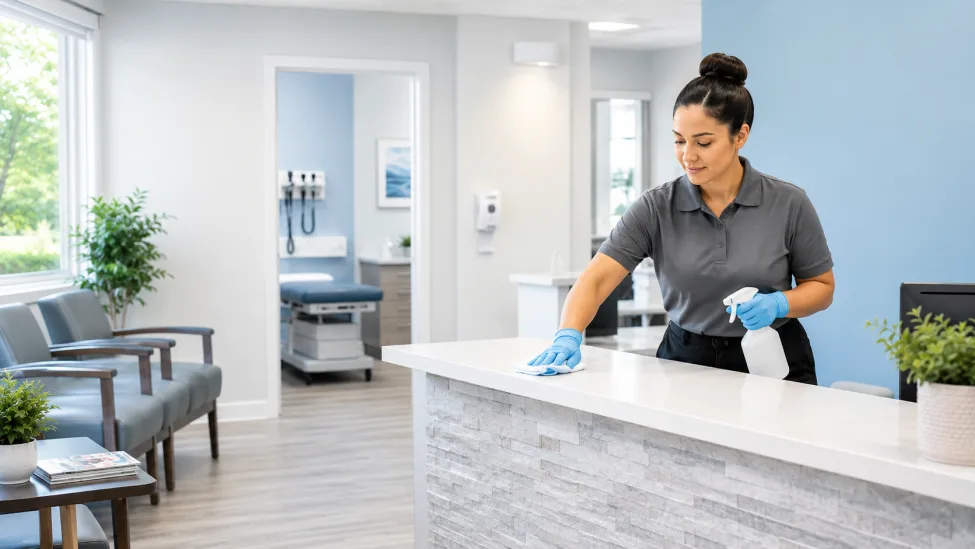
Running a medical practice comes with a long list of operational responsibilities, and cleaning is one that doesn’t get nearly enough attention until something goes wrong. A waiting room that feels unsanitary, an exam room that isn’t properly disinfected between patients, or a restroom that’s clearly been neglected — these things affect how patients perceive your practice before a single clinical interaction takes place.
Medical office cleaning is a different discipline than standard commercial cleaning. It requires more structure, more consistency, and a deeper understanding of healthcare-specific risks. Here’s what Charlotte healthcare facilities need to know.
Why Medical Office Cleaning Is Its Own Category
Standard commercial cleaning focuses on appearance and general hygiene. Medical office cleaning has to go further. Healthcare facilities involve direct patient contact, shared treatment areas, and frequent exposure to germs and pathogens that simply aren’t present in a typical office environment.
Waiting rooms, exam rooms, restrooms, and staff areas all see high-touch activity throughout the day. Inconsistent or improper cleaning raises the risk of cross-contamination and can directly undermine patient confidence. Cleanliness is one of the first things patients notice when they walk into a healthcare facility, and it shapes their perception of how safe and professional the practice is before they’ve even spoken to anyone.
The Types of Facilities That Need Specialized Cleaning
Healthcare environments across Charlotte vary widely, but all of them share elevated cleaning expectations. Primary care offices and specialist practices see steady patient traffic and require frequent disinfection of exam rooms and common areas throughout the day.
Dental offices come with additional considerations — aerosols, treatment equipment, and rapid patient turnover all factor into how cleaning needs to be approached. Urgent care centers and outpatient clinics often run extended hours, which means cleaning schedules need to be flexible enough to keep pace without disrupting patient flow.
Physical therapy, rehabilitation, and behavioral health offices also depend on consistent cleaning to maintain safe, comfortable environments for ongoing patient visits. Each facility type has its own workflow patterns, and a good cleaning plan reflects that.
Where the Focus Needs to Be
Medical office cleaning puts extra emphasis on high-touch and high-risk areas. Waiting rooms need frequent attention — seating, tables, door handles, and check-in counters all accumulate bacteria quickly in high-traffic environments. Exam rooms need to be cleaned and disinfected thoroughly between patient visits or at the end of each day depending on how the practice operates.
Restrooms, breakrooms, and staff areas are equally important. These spaces are easy to overlook but can contribute significantly to the spread of illness if they’re not maintained properly. Floors in exam and treatment areas require specific cleaning methods to avoid spreading contaminants rather than containing them.
Professional medical cleaning programs are built around detailed checklists that make sure nothing gets overlooked visit after visit.
Infection Control and Disinfection
Effective infection control is at the core of medical office cleaning. That means using the right disinfectants, allowing for correct dwell times, and applying consistent protocols across every applicable surface on every visit.
High-touch points — door handles, light switches, counters, shared equipment — get enhanced attention as part of a structured process. Cleaning teams need to understand the practical difference between cleaning and disinfecting, and follow defined procedures for each rather than treating them as interchangeable.
It’s worth being clear about scope: professional cleaning services support a hygienic environment but don’t replace the clinical sterilization that medical staff perform. Both play a role, and they work best when the cleaning side is handled with the same discipline as the clinical side.
Compliance Awareness
Medical offices operate within regulated environments, and cleaning practices need to align with applicable health and safety guidelines. Cleaning companies aren’t responsible for clinical compliance, but they do need to understand how their work supports a facility’s overall standards.
That means proper handling of waste, safe use of cleaning products, and strict adherence to documented procedures. Consistency and documentation also matter here — they help facilities demonstrate that cleaning is being performed reliably and professionally, which is important when standards are being reviewed.
Charlotte healthcare providers benefit from working with cleaning partners who treat compliance awareness as a baseline expectation, not an afterthought.
Scheduling Around Patient Care
Getting the schedule right is just as important as getting the cleaning right. Most medical offices prefer after-hours cleaning to avoid any disruption to patient care during the day. Others need mid-day touch-ups in high-traffic areas like restrooms and waiting rooms that can’t wait until evening.
Urgent care centers and extended-hour clinics often need late-night or weekend availability. For a deeper look at how to think through cleaning frequency and timing, our guide on how often offices should be cleaned is a good starting point. A professional provider needs to accommodate those requirements without it becoming a negotiation every time the schedule changes.
Why the Professional Difference Matters Here
The stakes in a healthcare environment are higher than in a standard office. Professional medical office cleaning brings trained staff, structured processes, and genuine accountability. Teams follow documented procedures and are supervised to maintain consistent standards — not just on the first visit, but on every visit.
As we covered in our breakdown of professional vs in-house office cleaning, professional providers also handle staffing, training, and coverage so healthcare practices aren’t left scrambling when someone calls out. Background checks and proper insurance add an additional layer of security that matters especially in facilities serving vulnerable patient populations.
What to Look for in a Medical Cleaning Partner
Experience in healthcare or medical environments is the starting point. Beyond that, look for clear communication, consistent staffing, and quality control systems that can demonstrate results rather than just promise them.
The best providers offer customized cleaning plans built around your specific facility and workflow, detailed checklists that leave nothing to interpretation, and the flexibility to adapt as your practice grows or changes. Local experience matters too — a company that regularly works with Charlotte healthcare facilities understands the expectations of this market and the specific demands of these environments.
A Few Common Questions
Do medical offices really need different cleaning than a standard office? Yes, meaningfully so. The combination of patient contact, high-touch surfaces, and infection control requirements means that standard commercial cleaning procedures aren’t sufficient. The products, protocols, and level of consistency required are all higher.
Can cleaning be scheduled outside of patient hours? Absolutely, and for most practices that’s the preferred approach. Evening or overnight cleaning avoids any disruption to care and ensures the facility is fully reset before the next day begins.
Are cleaning teams actually trained for healthcare environments? They should be, and that’s worth verifying before you sign a contract. A professional provider will train staff specifically on healthcare-appropriate procedures, safety protocols, and the distinction between cleaning and disinfecting. If a provider can’t speak clearly to how their team is trained, that’s a red flag.
Your Patients Notice. Make Sure Your Cleaning Partner Does Too.
A clean, consistently maintained medical office builds patient trust before any clinical care begins. Request a customized quote today and we’ll put together a cleaning plan built specifically around your facility, your schedule, and your standards