 Jantize
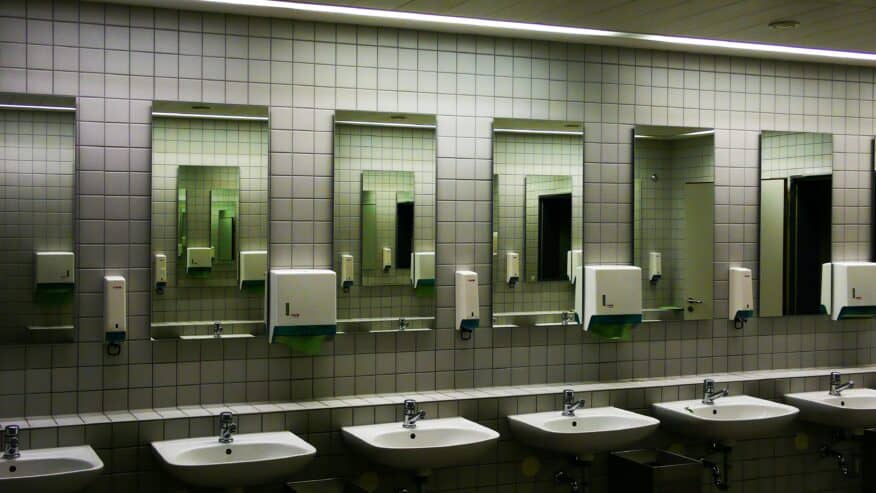
What passed for clean restroom facilities in the past no longer meets the needs of the public after the COVID-19 pandemic. Whether through mandated laws or updated company policies, most businesses are adding enhanced disinfection services to internal cleaning requirements and outsourced contracts.
The most common change in the post-pandemic restroom cleaning routine is more frequent disinfection of high-touch surfaces. Instead of spending about 20 minutes cleaning a restroom, the areas that seemed unimportant now receive more attention.
There is nothing considered incidental or non-vital in the restroom cleaning processes today. As businesses return to full capacity, the need for safe areas will only continue growing.
Can I Use Soap and Detergents to Clean Restrooms?
In April 2021, the CDC updated their personal care guidance to recommend that homes get cleaned regularly with soap or detergent. Unless someone in the house tested positive for COVID in the past 24 hours or is sick, disinfecting the surfaces is likely unnecessary.
Businesses must take a different approach. They must assume that everyone who comes into the restroom is potentially sick. That’s why disinfecting all high-touch surfaces, incidentals, and other areas is vital to a safe environment.
These tips can make the work a little easier to complete without compromising the safety of the environment.
1. Dust and Vacuum
The biggest complaints tend to involve hairs on the floor or tile of a bathroom. One of the best ways to avoid this issue is to dust the shelves and light fixtures with microfiber cloths before vacuuming all crevices and floors.
2. Get the Room Hot
If you use alkaline cleansers in your bathroom, try increasing the temperature about ten degrees above normal air temperatures. This tip can double the effectiveness of your cleaning products.
3. Work from the Top to the Bottom
It’s tempting to start at the dirtiest areas of the restroom first. If you tackle the biggest project first, you might be doubling or tripling your labor in some areas. When you work from top to bottom on stalls, sinks, and fixtures, you’ll be more likely to get everything on the first pass.
4. Spread the Disinfectant
It helps to use a cloth or sponge to spread the disinfectant and cleansers on flat surfaces. Since these products need time to inactivate viruses and bacteria, you’ll want to review the manufacturer’s instructions to ensure the application is performed correctly. Most items require at least five minutes to work.
5. Get Melamine Foam
Instead of spending cash on Magic Eraser® products, consider purchasing bulk melamine foam. This scrubbing material will deliver the results you want at a fraction of the cost. It’s the perfect item for removing tough stains and mineral rings in tubs, showers, sinks, and toilets.
6. Always Rinse
The chemicals in your restroom cleaning materials attract particles, dust, and soil. If you forget to rinse these surfaces, the dirt will stick to them. That means your potential viral buildup could be more troublesome than if you hadn’t cleaned the area at all.
As a final step, use dry rags or cloths to remove any lingering moisture from all surfaces. It helps to use color-coded products for each bathroom surface to prevent transferring germs from one area to another.
Tell Us Your Needs