 Jantize
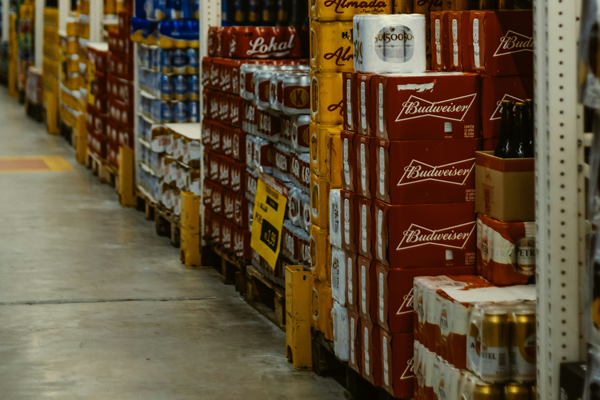
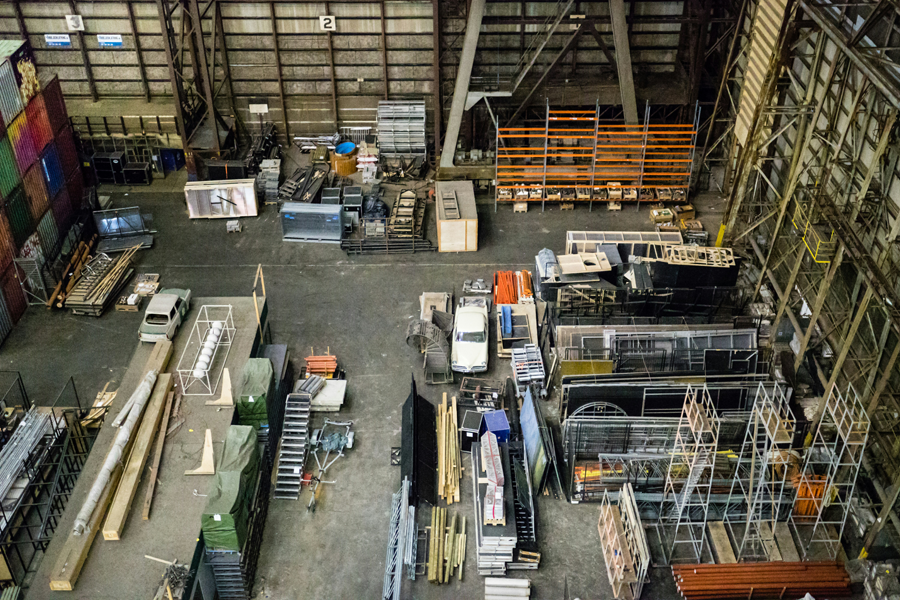
Warehouses and industrial facilities in Charlotte are key to the city’s vibrant economy, supporting sectors like logistics, manufacturing, distribution, and construction. These facilities often experience heavy foot traffic, machinery operation, and storage of large quantities of materials, all of which can lead to a buildup of dirt, dust, and debris. Regular cleaning is not only necessary to maintain a safe and efficient workplace but also to ensure compliance with local regulations, improve air quality, and prolong the life of equipment. In this article, we’ll highlight some essential cleaning tips for warehouses and industrial facilities in Charlotte, offering practical advice on how to keep these spaces clean, safe, and well-maintained.
1. Create a Regular Cleaning Schedule
Consistency is key when it comes to maintaining a clean warehouse or industrial facility. Establishing a regular cleaning schedule ensures that tasks are completed systematically and nothing is overlooked. Depending on the size of the facility and the type of operation, cleaning should occur at different intervals—daily, weekly, or monthly.
For example, high-traffic areas like receiving docks, aisles, and storage spaces may need to be cleaned daily, while less frequently used spaces like offices or break rooms may only require weekly cleaning. It’s essential to plan for tasks such as dusting, sweeping, mopping, and disinfecting high-touch surfaces. Additionally, ensure that your cleaning schedule includes seasonal deep-cleaning tasks, like window washing or cleaning HVAC ducts, which contribute to maintaining optimal air quality.
A well-planned cleaning schedule prevents the accumulation of dirt and dust, promotes a safer environment for employees, and ensures that the facility remains compliant with health and safety regulations.
2. Focus on High-Traffic Areas
Warehouses and industrial facilities are bustling environments, with forklifts, pallets, and employees frequently moving throughout the building. High-traffic areas—such as entryways, aisles, storage spaces, and receiving areas—tend to accumulate dust, dirt, and debris the fastest. These areas should receive priority in your cleaning routine.
Regularly sweeping and mopping these areas not only improves the aesthetic appearance of the facility but also ensures the safety of employees. Spills or debris in high-traffic areas can create slip-and-fall hazards, which is why cleaning these spots frequently is critical. Additionally, clean floors and work areas help extend the lifespan of machinery and equipment by reducing the buildup of grime and other substances that may cause wear and tear.
In Charlotte’s industrial sectors, which often experience humid weather conditions, regular cleaning of high-traffic areas also helps reduce the risk of mold and mildew buildup, which can be detrimental to both employees and stored materials.
3. Implement Proper Dust Control Measures
Dust is a common issue in warehouses and industrial facilities. Whether from raw materials, packaging, or machinery, airborne dust can settle on surfaces and affect air quality. In industrial settings, excessive dust can even pose a fire risk, particularly if the dust is flammable (as is often the case with wood, flour, or metal dust).
Implementing dust control measures, such as using high-efficiency particulate air (HEPA) vacuums, air filtration systems, or industrial-grade dusters, can significantly reduce the amount of dust in the air. It’s also important to regularly clean and maintain ventilation systems to prevent the buildup of dust and contaminants in HVAC systems. Charlotte’s warehouse owners should be mindful of the city’s humid climate, which can exacerbate the problem of dust accumulation and lead to mold growth if not properly managed.
Regularly wiping down surfaces with damp cloths, using industrial air purifiers, and implementing good housekeeping practices to reduce the number of dust-generating activities can help keep the workplace clean and healthy.
4. Clean and Maintain Equipment
Warehouse and industrial facility cleaning isn’t just about the floors and walls—it’s also about the equipment. Forklifts, conveyors, machinery, and other industrial equipment require regular maintenance and cleaning to function optimally. If dirt and debris are allowed to accumulate, it can lead to equipment failure, decreased efficiency, and even workplace accidents.
Make it a routine to clean machinery on a regular basis. This involves removing grease, oil, dust, and any other buildup that could impede the machinery’s operation. Cleaning equipment can also be a preventive measure to avoid costly repairs down the line. In Charlotte, where the manufacturing sector is thriving, a clean and well-maintained warehouse is crucial to maintaining production and reducing downtime.
Additionally, industrial kitchens, food storage areas, and packing stations in food-related industries must adhere to strict cleaning protocols to ensure food safety. This involves frequent cleaning and sanitizing to prevent contamination and meet regulatory standards set by local authorities.
5. Pay Special Attention to Restrooms and Break Areas
Employee welfare is a top priority in any warehouse or industrial facility. Clean and sanitary restrooms and break areas are essential for promoting worker health and well-being. Restrooms, in particular, are high-touch areas that require frequent cleaning to prevent the spread of germs.
Make sure to clean and disinfect toilets, sinks, floors, and high-touch surfaces like door handles, light switches, and soap dispensers regularly. In larger facilities, restocking toilet paper, paper towels, and soap should be part of the cleaning routine to ensure employees have access to the essentials.
Break areas also require cleaning attention to maintain a pleasant and hygienic environment. Ensure that countertops, microwaves, refrigerators, and tables are wiped down regularly. By keeping break areas clean, you can contribute to a positive work environment and reduce the risk of cross-contamination, especially if food is being prepared or consumed in these spaces.
6. Deep-Clean During Off-Hours or Downtime
To minimize disruptions and keep your warehouse or industrial facility running smoothly, consider scheduling deep-cleaning tasks during off-hours, weekends, or during scheduled downtime. These tasks may include cleaning vents, power washing floors, scrubbing walls, or deep-cleaning areas that are difficult to reach during regular cleaning cycles.
Deep-cleaning equipment, such as floor scrubbers, pressure washers, or industrial vacuums, should be used in areas that require more than just a light cleaning. These tools are ideal for removing built-up dirt and grime from heavy-use surfaces, ensuring the facility is fully cleaned and maintained for the long term.
7. Keep Floors in Top Condition
Floor cleanliness is essential for both aesthetic and safety reasons in warehouses and industrial facilities. Floors are subjected to constant wear and tear from heavy foot traffic, forklifts, and equipment. A dirty floor not only looks unappealing but can also create safety hazards. For example, grease, oil, or chemical spills on floors can lead to slips and falls.
Regular sweeping, mopping, and spot-cleaning can keep floors in top condition, while deep cleaning with specialized equipment (e.g., floor scrubbers or buffing machines) can help remove stubborn stains and restore the floor’s shine. Additionally, using slip-resistant floor coatings can help enhance safety in high-traffic areas, reducing the risk of workplace accidents.
Conclusion
Cleanliness in warehouses and industrial facilities in Charlotte is essential to maintaining safe, efficient, and productive workplaces. By establishing a regular cleaning schedule, focusing on high-traffic areas, controlling dust, maintaining equipment, and deep-cleaning during downtime, you can ensure that your warehouse or industrial facility remains in top condition. For businesses looking to maintain a safe and healthy environment while improving overall productivity, partnering with professional janitorial services like Jantize can help take your cleaning routine to the next level.