 Jantize
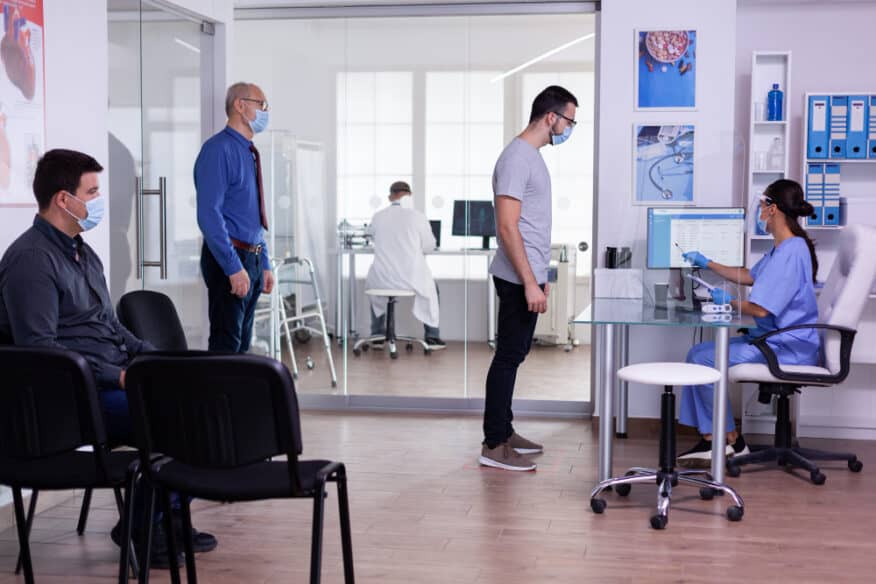
Since the start of the COVID-19 pandemic, several ongoing challenges have caused healthcare facilities to reevaluate their cleaning protocols. Whether people have stayed at work throughout as essential workers or are thinking about returning soon, it is important to take a closer look at your best practices for environmental cleaning.
In the past, cleaning responsibilities were often delegated to one team, group, or contract. Today’s precautions require everyone to get actively involved with the work of keeping healthcare facilities clean.
That process starts by following these three pillars.
- Select products that produce the desired disinfection and cleaning.
- Train workers or dedicate resources to ongoing disinfecting and cleaning processes.
- Develop sustainable strategies that maintain a safe environment.
Once in place, these additional measures can create the cleaning and disinfection needed for your healthcare facility.
What Are Today’s Best Practices for Environmental Cleaning?
Environmental best practices start by evaluating the risk of pathogen transmission. It is a function of probability, vulnerability, and exposure.
Once that information gets processed, these techniques can get implemented to create a safer environment.
1. Conduct a Visual Site Assessment
Does the healthcare facility require cleaning in specific areas? When evaluating this initial step, there are four key points to assess.
- What is the patient status?
- Are additional PPE supplies necessary to complete the work?
- Are any obstacles in the environment that could pose a challenge?
- Does broken or damaged equipment or furniture require attention?
2. Go from Cleaner to Dirtier Spots
When the cleaning process starts in a healthcare facility, the goal should be to begin at the cleanest areas and move outward toward the dirtiest. This technique prevents microorganisms, dirt, and debris from spreading.
You might clean low-touch surfaces before high-touch ones, patient zones before bathrooms, and similar techniques to prevent contamination from spreading.
3. Move from High to Low Areas
Once you’ve found the cleaner spots and start working toward the dirtier ones, you’ll also want to begin at the highest levels. When you start at the ceiling or the highest levels of potential contamination, you prevent microorganisms and dirt from falling into areas that you’ve already cleaned.
That means you’d want to clean a bed’s rails in a healthcare facility before addressing the legs or castors. Every environmental surface would also need to be disinfected first if the floor also needed some cleaning.
The only exception will be if body fluid spills are in the environment. That issue must get addressed immediately.
Healthcare Cleaning Should Proceed Methodically
When cleaning and disinfecting in a healthcare facility, the goal should be to proceed in a methodical and systematic way. By adopting this process, it is less likely that areas get missed.
You can proceed clockwise, counterclockwise, or in another pattern that works well for your preferences or facility needs.
If you have a multiple bed area to clean, each patient zone should get disinfected with the same approach. That way, you can limit contamination risks while supporting a healthier environment for everyone.
Tell Us Your Needs